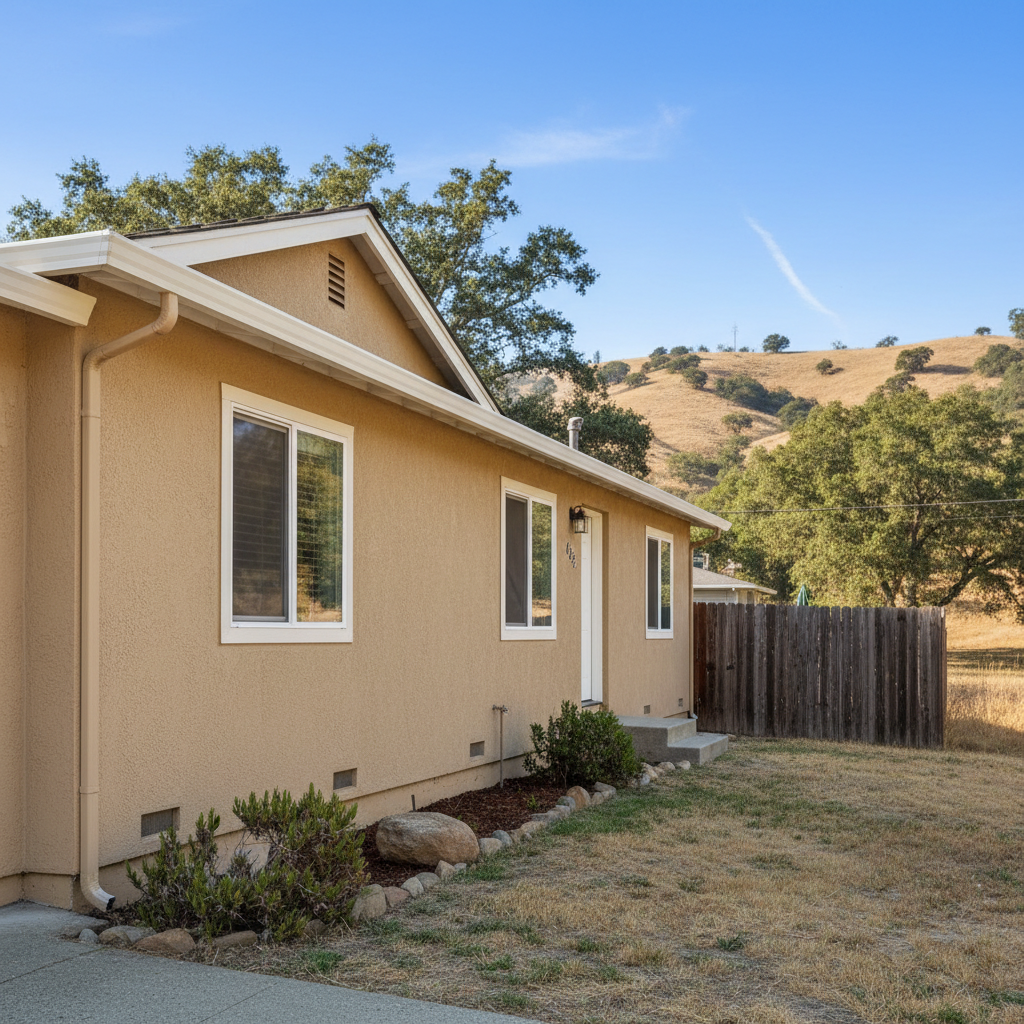
So, you're thinking about getting your stucco inspected? Maybe you're buying a new place, selling your current one, or just noticed some cracks that are making you nervous. Good call. A proper stucco inspection isn't just about looking at the surface; it's about understanding the health of your home's exterior envelope. But what's it going to cost you here in Scotts Valley?
What Affects Stucco Inspection Pricing?
It's not a one-size-fits-all number, that's for sure. A few key things really drive the price up or down. You need to know these so you can understand any quote you get.
- Size of the Home: This is probably the biggest factor. A small 1,200 sq ft ranch house is going to be a lot less to inspect than a sprawling 4,000 sq ft multi-story home up in the Vine Hill area. More square footage means more time, more ladder work, and more areas to meticulously check.
- Number of Stories: Tying into size, a two-story or three-story house adds complexity. Inspectors need specialized ladders, safety gear, and more time to access higher areas. It's just more involved than a single-story home.
- Complexity of the Stucco System: Is it traditional three-coat stucco? Or is it an EIFS (Exterior Insulation and Finish System)? EIFS inspections often require more specialized knowledge and sometimes specific tools to check for moisture intrusion behind the synthetic finish. Traditional stucco is generally simpler to assess visually.
- Scope of the Inspection: Are you just looking for visible cracks and general condition, or do you need a full, invasive moisture intrusion inspection? An invasive inspection means drilling small holes, using moisture meters, and sometimes even removing small sections of stucco to get a look at the substrate. This is obviously more labor-intensive and requires patching afterward.
- Accessibility: Is the property easy to get around? Are there dense bushes, steep slopes, or other obstructions that make it tough to get close to the walls? Difficult access adds time and effort.
- Inspector's Experience and Reputation: Like any trade, you get what you pay for. A highly experienced inspector with a solid reputation for thoroughness and accurate reporting will typically charge more than someone just starting out. And frankly, you want the experienced one when it comes to something as critical as your home's exterior.
Typical Stucco Inspection Cost Ranges in Scotts Valley
Alright, let's talk numbers. Based on what I've seen and what my colleagues charge, here's a realistic breakdown for stucco inspections around here:
- Basic Visual Inspection (Non-Invasive): This is usually for general condition assessments, pre-listing inspections, or if you just want an expert eye on some minor cracking. For a typical 1,500-2,500 sq ft single-story home, you're probably looking at $400 to $700. For a larger or multi-story home (2,500-4,000 sq ft), it could range from $600 to $1,000+. This includes a thorough visual check, moisture meter readings at accessible points, and a detailed report with photos.
- Comprehensive/Invasive Inspection (Moisture Intrusion): This is when you suspect a serious problem, or if you're buying a home and want absolute peace of mind, especially with our wet winters. This involves strategic drilling, moisture probe readings, and sometimes small cut-outs. For a 1,500-2,500 sq ft home, expect to pay anywhere from $800 to $1,500. For larger or more complex homes (2,500-4,000 sq ft+), it can easily go from $1,200 to $2,500 or more, depending on the extent of the invasive testing needed. This price usually includes patching the test holes.
- EIFS Inspections: These tend to be on the higher end of the ranges mentioned above for both visual and invasive inspections, often adding 10-20% due to the specialized nature.
Keep in mind, these are general ranges. Always get a specific quote for your property.
What Should Be Included in a Stucco Inspection Quote?
When you get a quote, don't just look at the bottom line. Make sure you understand what you're getting for your money. A good quote from a company like Progressive Stucco Solutions should clearly outline:
- Scope of Work: Exactly what type of inspection is being performed (visual, invasive, specific areas).
- Areas to be Inspected: All exterior stucco walls, around windows, doors, penetrations, rooflines, etc.
- Tools Used: Visual assessment, moisture meters (pin-type and non-invasive), thermal imaging (if applicable and requested), boroscope for invasive.
- Deliverables: A detailed written report, including findings, photos of problem areas, and recommendations for repair or further investigation.
- Timeline: When you can expect the inspection to be completed and the report delivered.
- Cost Breakdown: A clear price for the inspection itself, and if invasive, whether patching is included.
- Inspector's Qualifications: Certifications, experience, and insurance.
How to Avoid Overpaying for a Stucco Inspection
Nobody wants to throw money away, especially on something as important as your home's integrity. Here are my tips for getting a fair price and a quality inspection:
- Get Multiple Quotes: This is a no-brainer. Talk to at least two or three reputable inspectors or companies. Don't just go with the cheapest; compare what each quote includes.
- Be Clear About Your Needs: If you just need a quick look at a specific crack, don't ask for a full invasive inspection. If you're buying a home built in the 90s, especially one that might have had EIFS, you probably do need that comprehensive, invasive check. Be honest about your concerns.
- Ask for References and See Sample Reports: A good inspector will be happy to provide these. Seeing a sample report helps you understand the level of detail you'll receive.
- Check Their Credentials: Are they licensed? Insured? Do they have specific certifications for stucco or moisture intrusion?
- Understand the Report: Once you get the report, if anything is unclear, don't hesitate to call the inspector and ask questions. A good professional will take the time to explain their findings.
Investing in a good stucco inspection is investing in the longevity of your home. It can save you a whole lot more money down the road by catching issues early, before they turn into major structural damage. Don't cut corners here.