What exactly is stucco redashing, anyway?
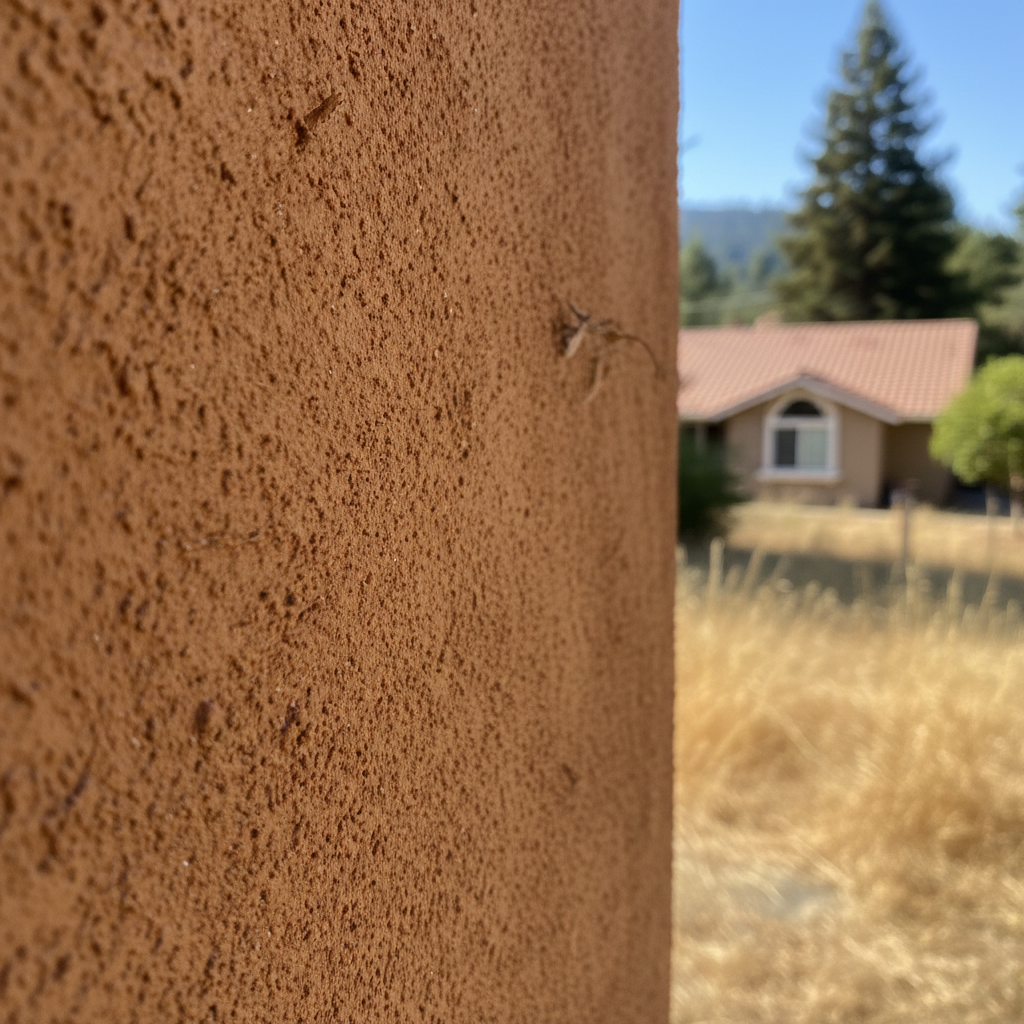
Alright, let's clear this up right off the bat. When folks talk about 'stucco redashing,' they're usually talking about putting a new finish coat right over the stucco that's already there. It's not like ripping off all the layers and starting fresh, which is a much, much bigger job. Think of it more like giving your stucco a brand-new skin. We're focused on that final, visible layer – the one that gives your home its color and texture. It's a great way to refresh the look, cover up little imperfections, or even change the color entirely without having to strip everything down to the sheathing.
How do I know if my stucco needs redashing or a full replacement?
This is a really important question, and it's where my experience truly helps out. If your stucco has widespread, deep cracks, especially those spiderweb patterns that feel loose, or if you've got sections crumbling and falling off, you're probably looking at more than just a redash. Those are usually signs of structural problems, water getting in, or maybe even a bad original application. A redash won't fix those deeper issues; it'll just hide them for a bit, and they'll likely pop up again. But if your stucco is generally solid – meaning it's stuck on well, no big water damage, just faded, dirty, or has a bunch of small, hairline cracks – then redashing is a perfectly good, cost-effective solution. We'll always do a thorough inspection first to make sure we're recommending the right fix for your Scotts Valley home, especially with our damp winters and how moisture can get trapped here.
Can I change my stucco color and texture when redashing?
Absolutely, that's one of the best parts of redashing! You're essentially putting on a brand-new finish coat, so you get to pick a whole new color. Want to go from a light beige to a deep terracotta? No problem at all. As for texture, you've got choices there too. If your old stucco was smooth and you want to switch to a sand finish, or even a heavier Santa Barbara style, we can usually make that happen. The new finish coat goes on thick enough to allow for different textures. Just remember that some really dramatic texture changes might need a slightly thicker application, which could add a little to the cost, but it's definitely doable. It's a fantastic way to update your home's curb appeal without a massive renovation.
What's the process for redashing my stucco?
Okay, so here's the general rundown. First, we'll get the existing stucco ready. This means a good cleaning to get rid of dirt, mildew, and any loose paint. Any hairline cracks that are there get sealed up. We'll also make sure the surface is sound and ready for the new material. Sometimes, we'll put on a bonding agent to ensure the new finish sticks properly, especially if the old surface is very smooth or painted. Then, we mix up the new finish coat – this is where your chosen color and texture come in. We apply it by hand, usually in one or two coats, depending on how thick you want it and what kind of finish you're after. It's a skilled job; you really want someone who knows how to get a consistent look across the whole house. After it's on, it needs time to cure properly. Oh, and we're pretty careful about protecting your landscaping and windows throughout the whole process, too. Nobody wants stucco splatters on their prize-winning roses, right?
How long does a redashing project typically take?
The timeline really depends on your home's size and how complicated the job is. A smaller, straightforward house might take us just a few days from start to finish. A larger home with lots of architectural details, multiple levels, or extensive prep work could easily take a week or more. Weather plays a big role too. You can't apply stucco in the rain, and extreme heat or cold can mess with curing times. Here in Scotts Valley, we often have to work around those foggy mornings or unexpected showers, especially in the spring or fall. We'll give you a clear estimate of the timeline once we've seen your property, but generally, it's a much quicker process than a full stucco replacement.
Is redashing a good long-term solution, or just a temporary fix?
When done right, redashing is absolutely a good long-term solution. It's not just some temporary facelift. You're essentially putting on a brand new, durable finish coat that's designed to last for decades, just like original stucco. The key, of course, is that 'done right' part. If the stucco underneath is stable and we've prepped it correctly, the new finish will bond beautifully and protect your home for many, many years. It's a cost-effective way to extend the life of your existing stucco system, make it look better, and add value to your property. Think of it as giving your house a fresh start, not just a quick touch-up. At Progressive Stucco Solutions, we stand by our work because we know the quality of the materials and the craftsmanship we put into every redashing job.
What's the cost difference between redashing and full stucco replacement?
This is where redashing really shines as an option. A full stucco replacement means tearing off all the old stucco, right down to the bare sheathing. Then you've got new paper, lath, scratch coat, brown coat, and finally the finish coat. That's a ton of labor, a ton of material, and a lot of waste to get rid of. It's significantly more expensive, often two to three times the cost of a redash, sometimes even more. Redashing, on the other hand, skips all those tear-off and base layers. We're just dealing with the finish. So, while I can't give you exact numbers without seeing your house, you can expect redashing to be a much more budget-friendly option. It's a big reason why so many homeowners in places like the Skypark area choose to redash when their stucco is still structurally sound but just needs a refresh.
Are there any downsides to redashing?
Look, every option has its limits. The main 'downside,' if you want to call it that, is that redashing won't fix major structural problems or extensive water damage. If your stucco system has failed at a deeper level, a redash won't magically make those issues disappear. It's also super important that the existing stucco is clean and stable; if it's got a lot of loose, flaky paint or a very chalky surface, it needs extra prep to make sure the new stuff sticks, which can add to the cost. And if you're trying to cover up a really dark color with a very light one, sometimes it takes a bit more material to get full opacity. But honestly, for the right situation – a home with generally sound stucco that just needs a cosmetic overhaul or minor crack repair – the downsides are pretty minimal compared to the benefits and cost savings.